



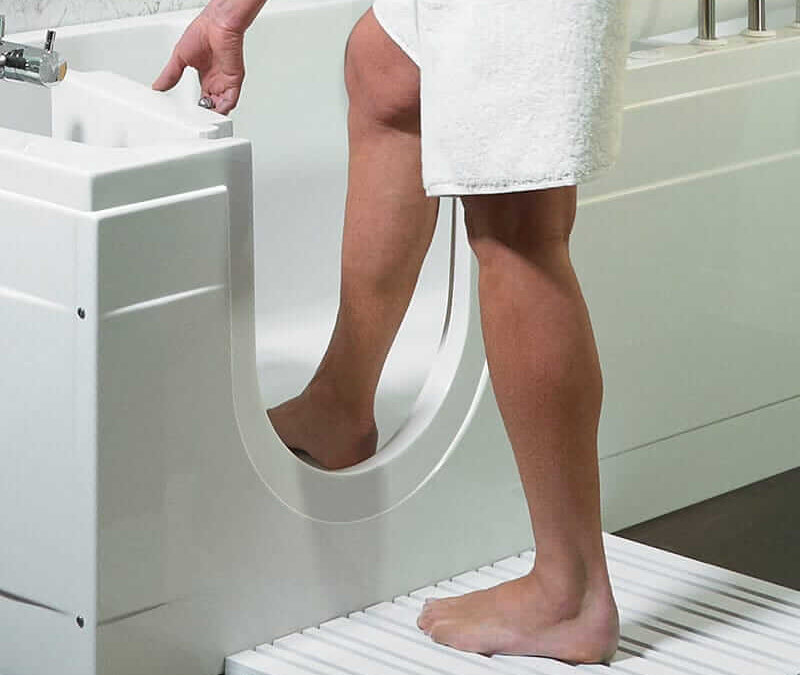
Walk in baths can really help people with arthritis. They offer low-level access, built-in seating, and a more supportive, secure bathing environment for people with arthritis.
Over 10 million people in the UK live with arthritis. This common condition causes joint pain, stiffness, and reduced mobility.
It can make everyday activities like bathing feel difficult or even unsafe. For many people with arthritis, the effort of stepping over a high bath side, lowering themselves into the water, and then standing up again can be painful and exhausting. It can even lead to worries about slipping, falling, or needing help with what used to be a private, relaxing routine.
A walk in bath removes many of the barriers of bathing. Instead of struggling with a traditional tub, you can step through a door, sit down comfortably, and enjoy the benefits of warm water therapy for your joints.
This article looks at how walk in baths work, how they can support arthritis relief, and what you need to consider when choosing one.
Get a FREE Brochure
Simply complete our form to see a full range of bathing solutions & their key features. It takes no time at all!
Understanding Arthritis and Its Challenges
Arthritis is not a single disease but an umbrella term for conditions that cause inflammation and damage in the joints.
Osteoarthritis, the most common type, occurs when the protective cartilage at the ends of bones gradually wears down.
Rheumatoid arthritis is an autoimmune condition where the immune system attacks the joints.
Both types of arthritis can lead to pain, swelling, stiffness, and reduced range of movement.
When your joints are painful and stiff, everyday movements like bending, turning, gripping, and stepping up become much harder. Your hands may feel weaker, your knees and hips may not bend as easily, and your balance can be affected, especially on wet or uneven surfaces.
These symptoms can make a standard bathroom setup feel daunting, as you may find it difficult to support your own body weight while moving in and out of a slippery, confined space.
How Arthritis Affects Bathing
Bathing can be particularly challenging if arthritis affects your hips, knees, spine, or hands.
Lifting your legs over a high bath side, lowering yourself to the bottom of the tub and then standing up again all demand strength, flexibility, and good balance.
Joint stiffness and reduced mobility can make these movements painful, while reduced grip strength can make it harder to hold onto the side of the bath or taps for support.
The emotional impact is equally important. Many people with arthritis describe feeling frustrated that something as simple as a bath has become a struggle, or anxious about the increased risk of slipping or falling.
Relying on family members or carers for help with bathing can also feel like a loss of independence or privacy.
Installing a walk in bath helps to restore comfort and confidence in the bathroom, making a real difference to your quality of life.
How Do Walk In Baths Work?
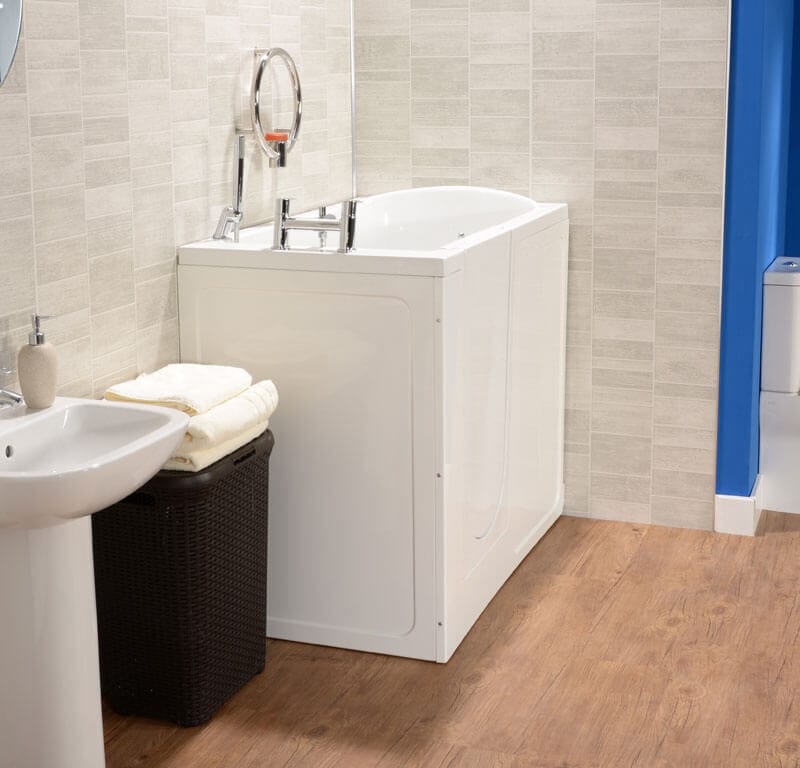
Walk in baths have a low-entry door and an integrated seat. They’re designed to make bathing easier and safer for people with limited mobility.
Instead of stepping over the full height of a traditional bathtub, you open a watertight door, step over a much lower threshold, and sit down on a raised seat. Once the door is closed and sealed, you fill the bath and enjoy a relaxing soak while sitting in a comfortable, upright position.
Here’s how a walk in bath works:
- Open the low-entry door and step into the tub, using the built-in grab rails for support
- Sit down on the secure, moulded seat
- Close the door, which locks to create a watertight seal
- Use easy-to-reach controls to set a comfortable water temperature
- Fill the bath and enjoy your soak!
- After bathing, drain the water fully before opening the door and stepping out
This design removes the need to crouch, twist, or lower yourself to the floor of the bath, helping to minimise strain on painful joints and making you feel more secure as you move.
Safety and Comfort Features
Modern walk-in baths typically include a range of features that support both safety and comfort.
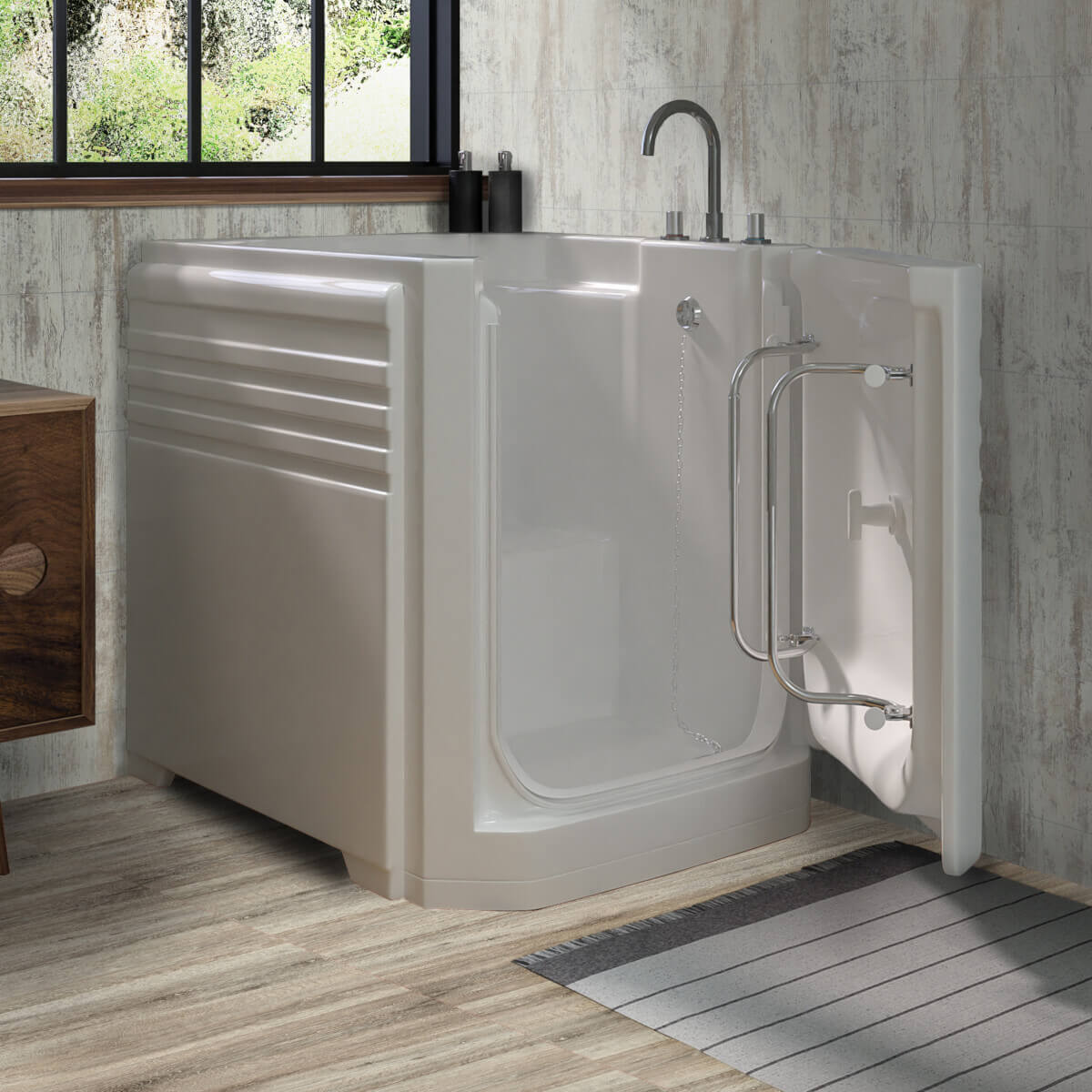
A low step-in height helps reduce the risk of tripping, while the anti-slip flooring and strategically placed grab rails provide extra stability when entering, exiting, and changing position.
Many models feature contoured, slip-resistant seats that allow you to bathe in a relaxed, upright posture.
Controls are designed to be easy to reach and simple to use, reducing the need to stretch or lean over.
Thermostatic mixing valves can help regulate water temperature to reduce the risk of scalding, and some walk in baths offer optional hydrotherapy or air spa systems that gently massage the body.
These features combine to create a more accessible, comfortable, and confidence-boosting bathing experience.
The Benefits of a Walk In Bath for Arthritis Relief
Warm water is widely recognised as a simple, effective way to ease joint pain and stiffness.
The Arthritis Foundation describes soaking in warm water as one of the oldest and safest forms of complementary therapy, helping to relax muscles, improve circulation, and ease soreness.
For people with arthritis, the buoyancy of water supports body weight, reducing pressure on the joints and making movement feel easier.
In a walk in bath, you can enjoy these benefits without the strain of getting in and out of a conventional bathtub. Warm water can help increase blood flow around affected joints, reduce muscle tension, and improve flexibility, making it easier to move both during and after your bath.
Many people find that a comfortable soak in the evening helps reduce stiffness, promotes relaxation, and can support better sleep, which is important for overall health and wellbeing.
Hydrotherapy for Arthritis
Hydrotherapy simply means using water, often warm and moving, for therapeutic benefit. Many walk in baths offer optional hydrotherapy or air spa systems, which use gentle jets of water or air bubbles to massage the body.
This combination of warmth, buoyancy, and movement can help reduce joint and muscle pain, ease stiffness, and support better mobility after bathing.
Research suggests that warm water therapy can improve circulation, decrease inflammation, and help relax muscles around painful joints.
These effects can temporarily reduce pain and make it easier to carry out gentle stretches in the bath, which may further support flexibility.
Many arthritis organisations, including Arthritis Action UK, note that warm baths and hydrotherapy can be a useful part of a wider symptom management plan.
Choosing the Right Walk In Bath
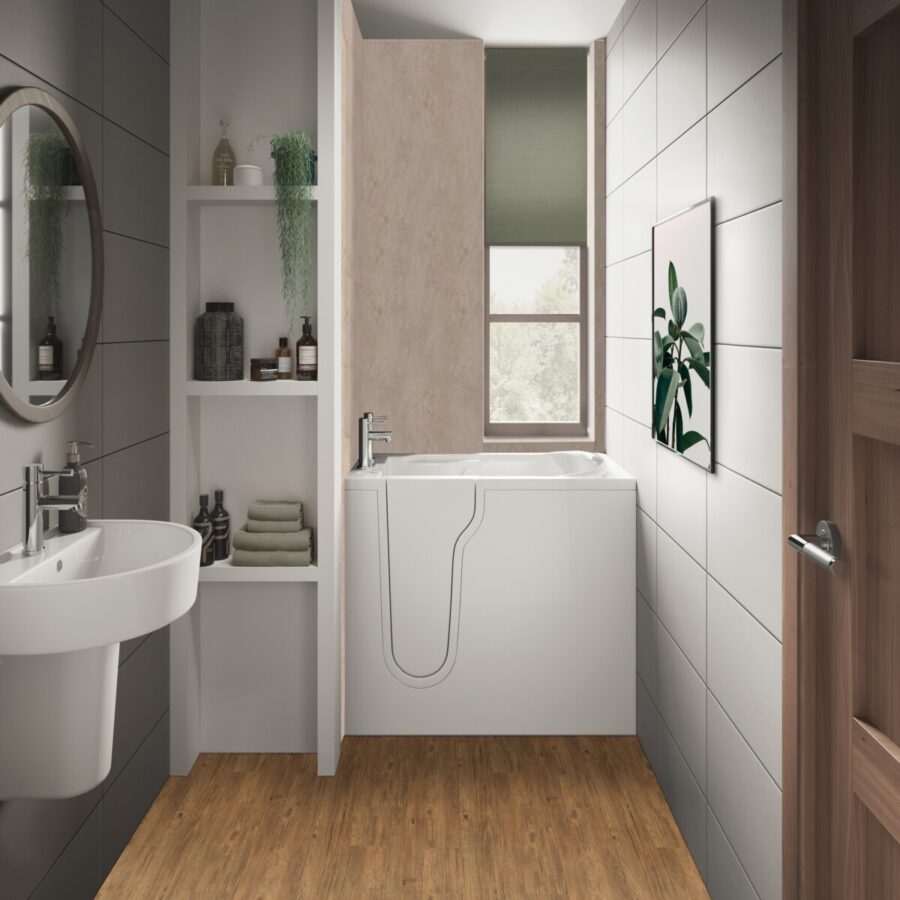
There are several different types of walk in baths, so it’s important to choose a model that suits your needs, your bathroom, and how you like to bathe.
Compact walk in baths are designed to fit smaller spaces or replace existing tubs, while deep soak baths allow you to sit more upright but still enjoy a higher water level around your shoulders.
Some models include power-assisted seats that help you lower yourself into and rise out of the water with very little effort, which can be helpful if you have significant mobility limitations.
When choosing a walk in bath, consider your current mobility, how this may change over time, and how you like to bathe.
Think about:
- The space available in your bathroom
- Whether you prefer a more traditional tub-style soak or a deeper seated bath
- Which features matter most – grab rails, hydrotherapy jets, or powered assistance?
Professional installation and good-quality engineering are essential to ensure your walk in bathtub is safe, reliable and watertight.
At Bathing Solutions, we can help you choose the perfect walk in bath tailored to your home, needs, and budget. From compact walk-in bathtubs, to walk-in bath and shower combos, we offer a range of solutions designed to make bathing safer, easier, and more comfortable.
Tips for Bathing Safely with Arthritis
Installing a walk in bath can significantly improve bathroom safety. But a few extra steps can make bathing for people with arthritis even safer and more comfortable.
Installing additional grab rails near the bath and using non-slip mats on the bathroom floor can provide extra stability when walking to and from the tub. Keeping the area well-lit and clutter-free also reduces the risk of tripping.
Warm water is usually more comfortable for arthritic joints than very hot water. The goal is a pleasantly warm temperature rather than a steaming hot bath, as this can help ease pain without irritating the skin or making you feel dizzy.
Bathing in the evening may help reduce stiffness and promote better sleep, while having towels and toiletries within easy reach can prevent unnecessary stretching and bending.
If your mobility is more limited, it may be helpful to have a family member or professional carer support you with getting to and from the bathroom, while still allowing you privacy once you are safely seated in the bath.
Why a Walk in Bath Is an Investment in Independence
A walk in bathtub helps people with arthritis stay independent by making bathing safer and more comfortable. Features like a low step-in, built-in seat, and accessible design reduce risk and support confidence, allowing you to age in place. Easy maintenance, stylish design, and hydrotherapy options enhance comfort and overall wellbeing, providing peace of mind for you and your family members.
Improving Quality of Life
A walk-in bath can transform bathing into a soothing, independent experience for people with arthritis. Warm water and gentle hydrotherapy ease discomfort, while accessible design restores confidence and dignity.
Though they can’t cure arthritis, walk-in baths support comfort, safety, and emotional wellbeing, helping people manage their symptoms and maintain independence in their daily routines.
Final Thoughts
Arthritis can make traditional baths difficult, painful, and risky, but a walk in bath offers a safer, more comfortable alternative.
Low-level access, built-in seating, and optional hydrotherapy features help reduce strain on joints while allowing you to enjoy the proven benefits of warm water for pain relief and relaxation.
If you’re considering adapting your bathroom, exploring a range of walk in baths can be an important step towards staying independent at home.
Bathing Solutions can help you compare different models and find a design that suits your needs and space. To find out more, visit our walk-in baths page, request a free brochure, or get in touch to discuss a free, no-obligation home consultation.